Orion 2026: NH90, Tiger helicopters and drones in French Army air combat
A field report from Orion 2026 featuring NH90 Caiman helicopters, Tiger attack helicopters and the first experiments integrating drones into French Army air combat missions.
 (Photo André Bour - Helicopassion)
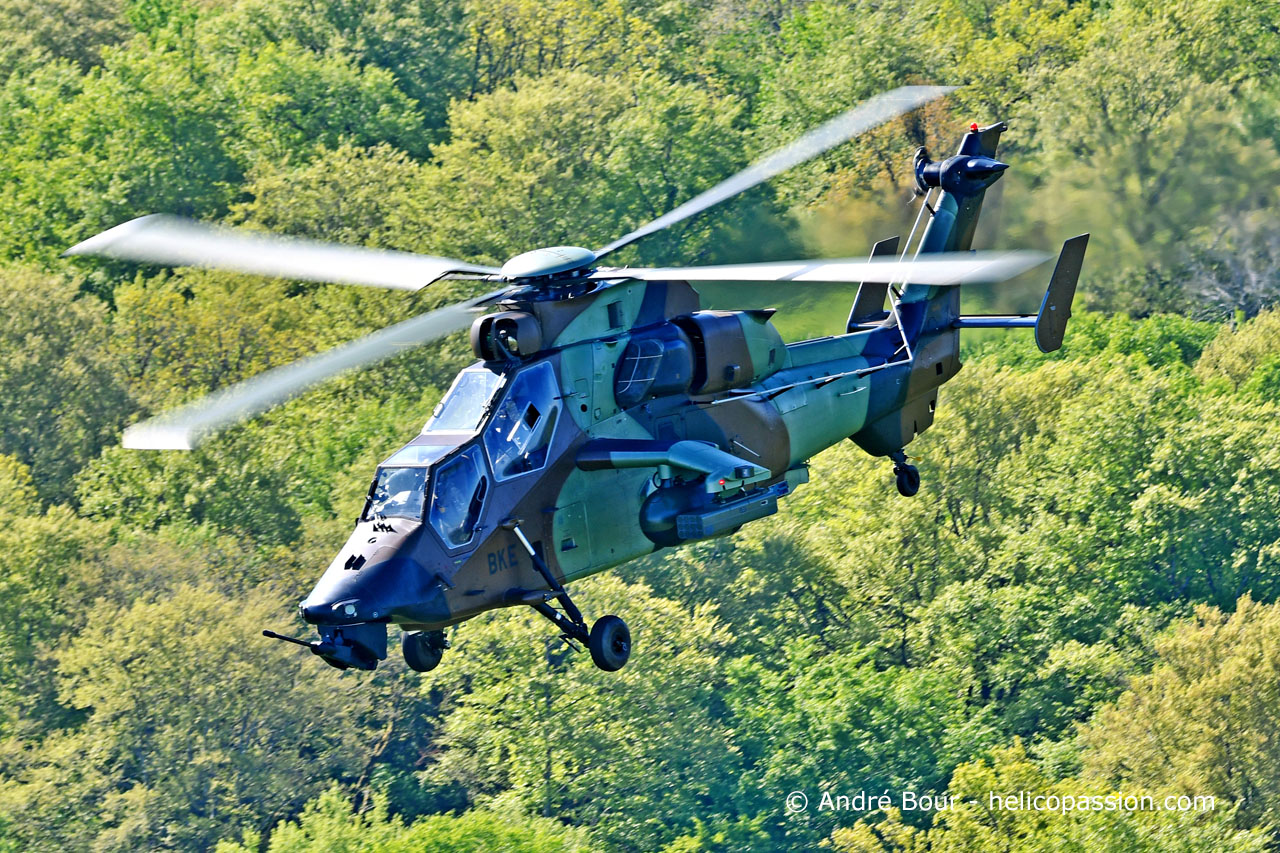
From an NH90 Caiman, a Tiger attack helicopter seen in tactical flight during the final phase of Orion 2026
(Photo André Bour - Helicopassion)
From an NH90 Caiman, a Tiger attack helicopter seen in tactical flight during the final phase of Orion 2026
This Helicopassion report offers a rare in-flight immersion into the combined use of NH90 Caiman and Tiger helicopters with drones, illustrating how drones are being integrated into modern air combat operations.
The photos were taken on April 23, 2026, from Chaumont-Semoutiers air base and during a flight aboard an NH90 Caiman helicopter.
Orion 2026 and the integration of drones into air combat
In eastern France, the final phase of Orion 2026 highlights a major evolution in modern air combat. Beyond the scale of the exercise, it demonstrates how helicopters and drones are progressively being combined within the same maneuver.
Operating from Chaumont, helicopters from the French Army's 4th Combat Aviation Brigade took part in a coordinated multinational exercise involving around twenty French helicopters and six Spanish aircraft.
The scenarios rehearsed during Orion 2026 included reconnaissance, target designation, strike coordination and troop insertion, while testing new ways of integrating drones into air combat missions.
 (Photo André Bour - Helicopassion)
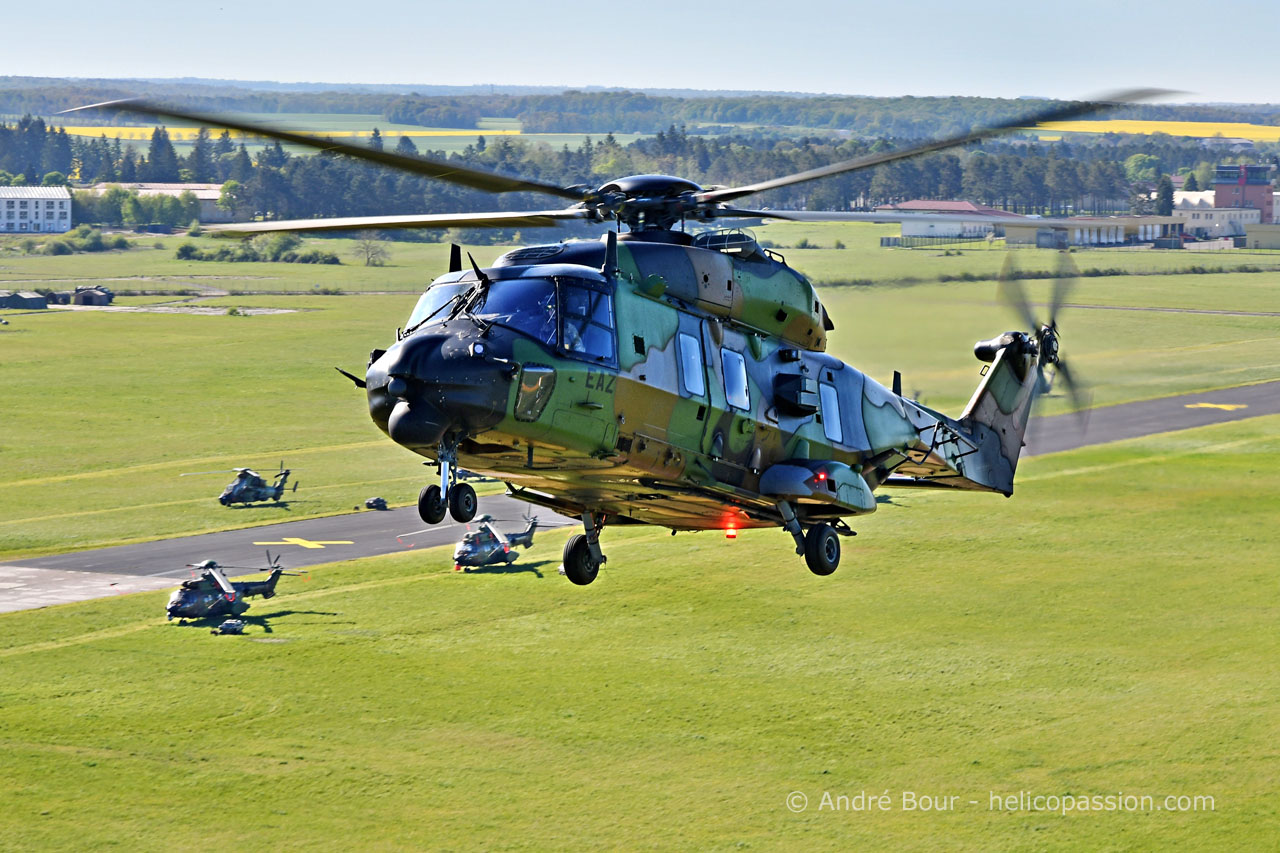
Seen from an NH90 Caiman during takeoff, another NH90 lifts off from Chaumont while several helicopters involved in Orion 2026 remain lined up along the runway
(Photo André Bour - Helicopassion)
Seen from an NH90 Caiman during takeoff, another NH90 lifts off from Chaumont while several helicopters involved in Orion 2026 remain lined up along the runway
(Photo André Bour - Helicopassion)
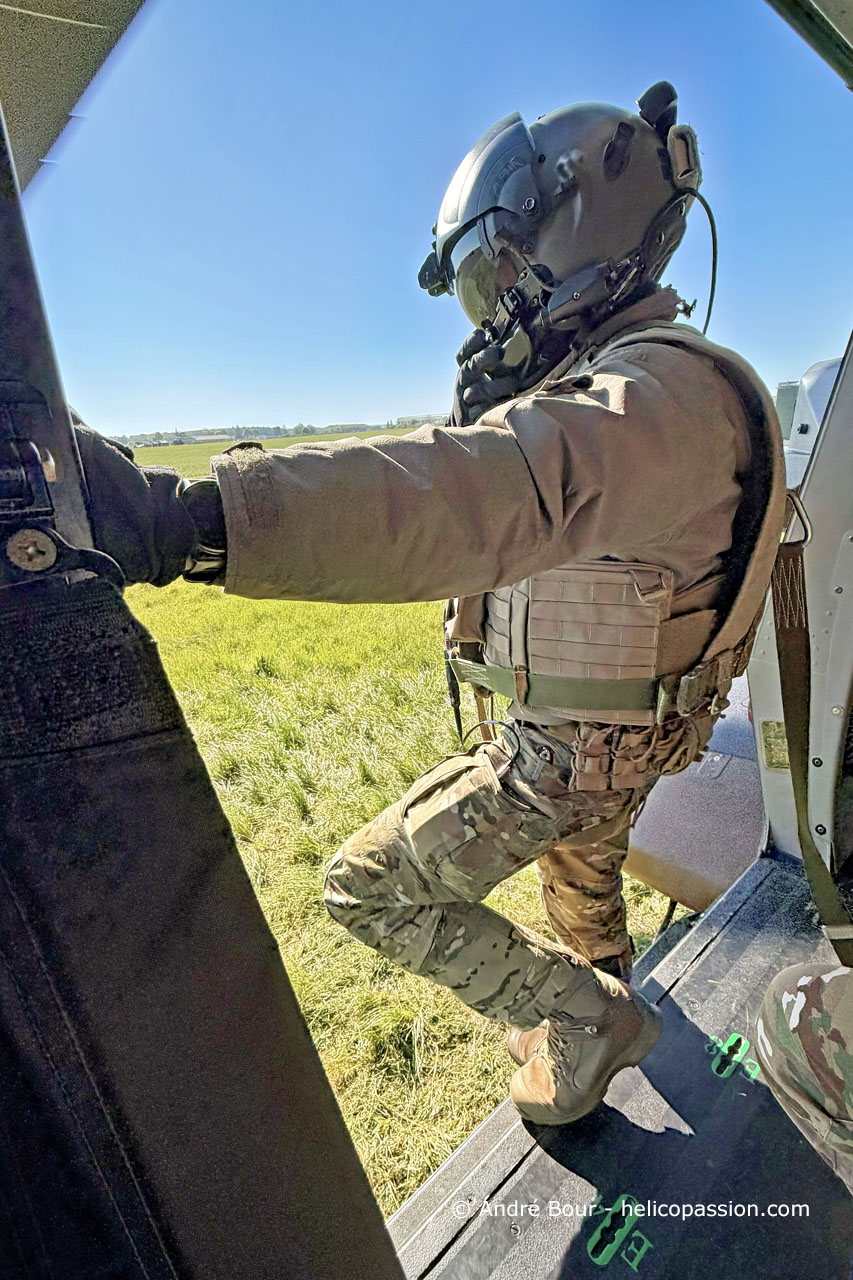
Crew chief at the door of an NH90 Caiman during takeoff
The Tiger: seeing and striking from a distance
The first development observed during this phase concerns the use of drones for reconnaissance and remote target designation. Sent ahead of the helicopters, drones can observe, identify or designate a target without exposing a crew.
For the Tiger attack helicopter, the impact is significant. The helicopter has long been able to engage targets at several kilometres using guided missiles, but this previously required target designation by the crew itself or by troops on the ground.
Drones now provide this reconnaissance and designation capability, allowing the Tiger to make full use of its stand-off weapons while remaining further from the threat.
 (Photo André Bour - Helicopassion)
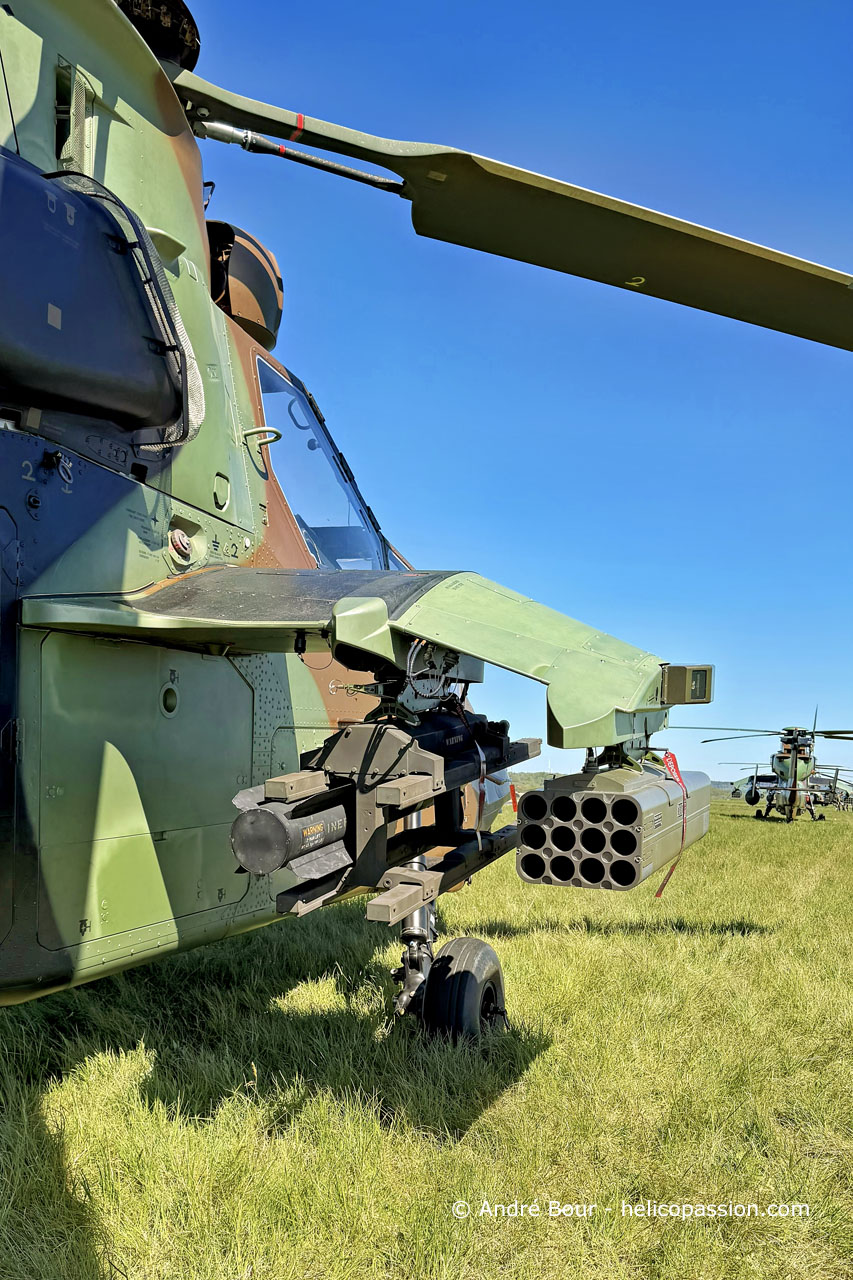
A Hellfire missile and rocket pods on a Tiger attack helicopter: the missile enables long-range engagement through remote target designation, while rockets are used at shorter range
(Photo André Bour - Helicopassion)
A Hellfire missile and rocket pods on a Tiger attack helicopter: the missile enables long-range engagement through remote target designation, while rockets are used at shorter range
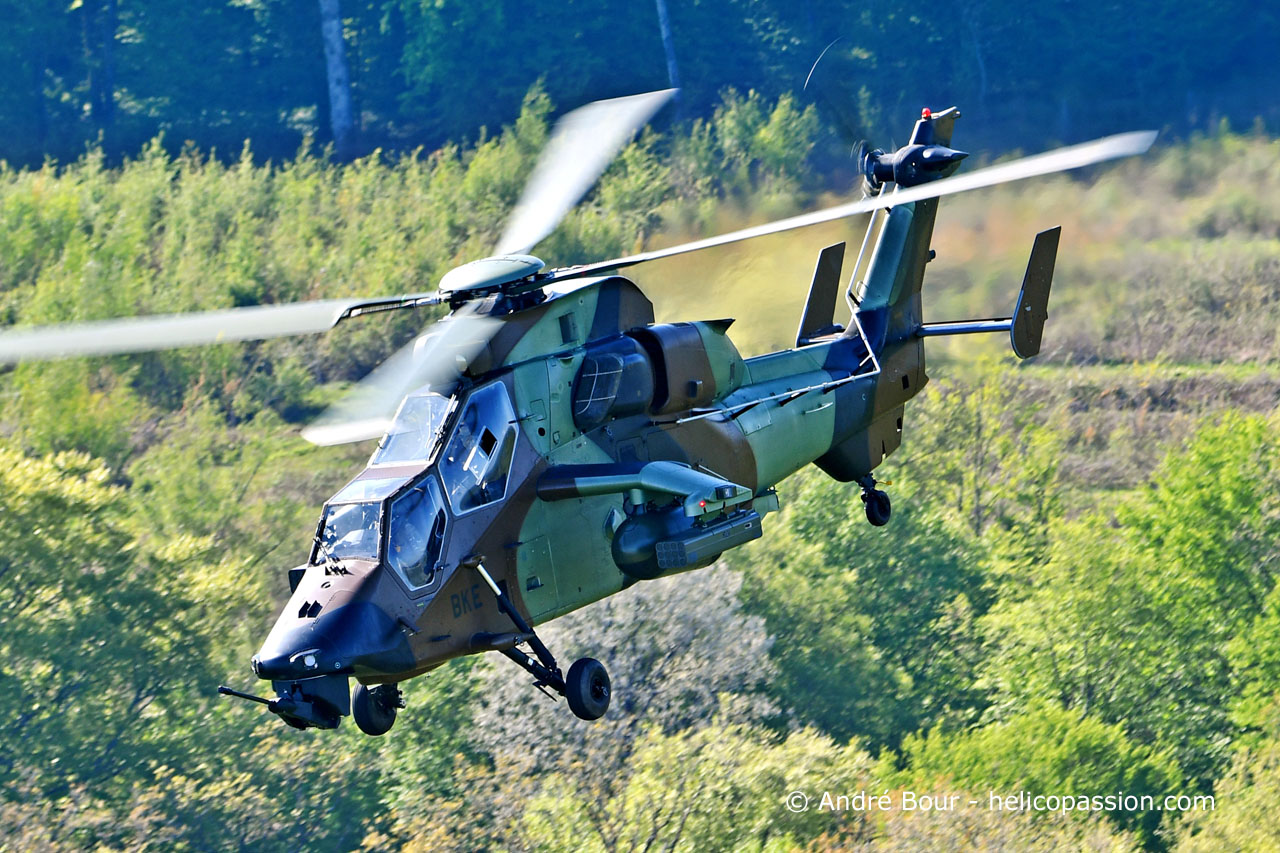 (Photo André Bour - Helicopassion)
A Tiger attack helicopter in tactical flight, photographed from an NH90 Caiman over the exercise area
(Photo André Bour - Helicopassion)
A Tiger attack helicopter in tactical flight, photographed from an NH90 Caiman over the exercise area
The NH90: bringing drones closer to the objective
The second development observed during Orion 2026 concerns the deployment of drones from helicopters. Already used for troop transport, support and air assault missions, the NH90 can also serve as a platform for deploying drones.
By bringing drones closer to the area of operations, the helicopter increases their useful endurance over the target area and allows their employment to be adapted more rapidly to changing tactical situations.
This evolution brings new capabilities to the forces involved and is gradually leading to the integration of specialists responsible for operating these systems within combat aviation units.
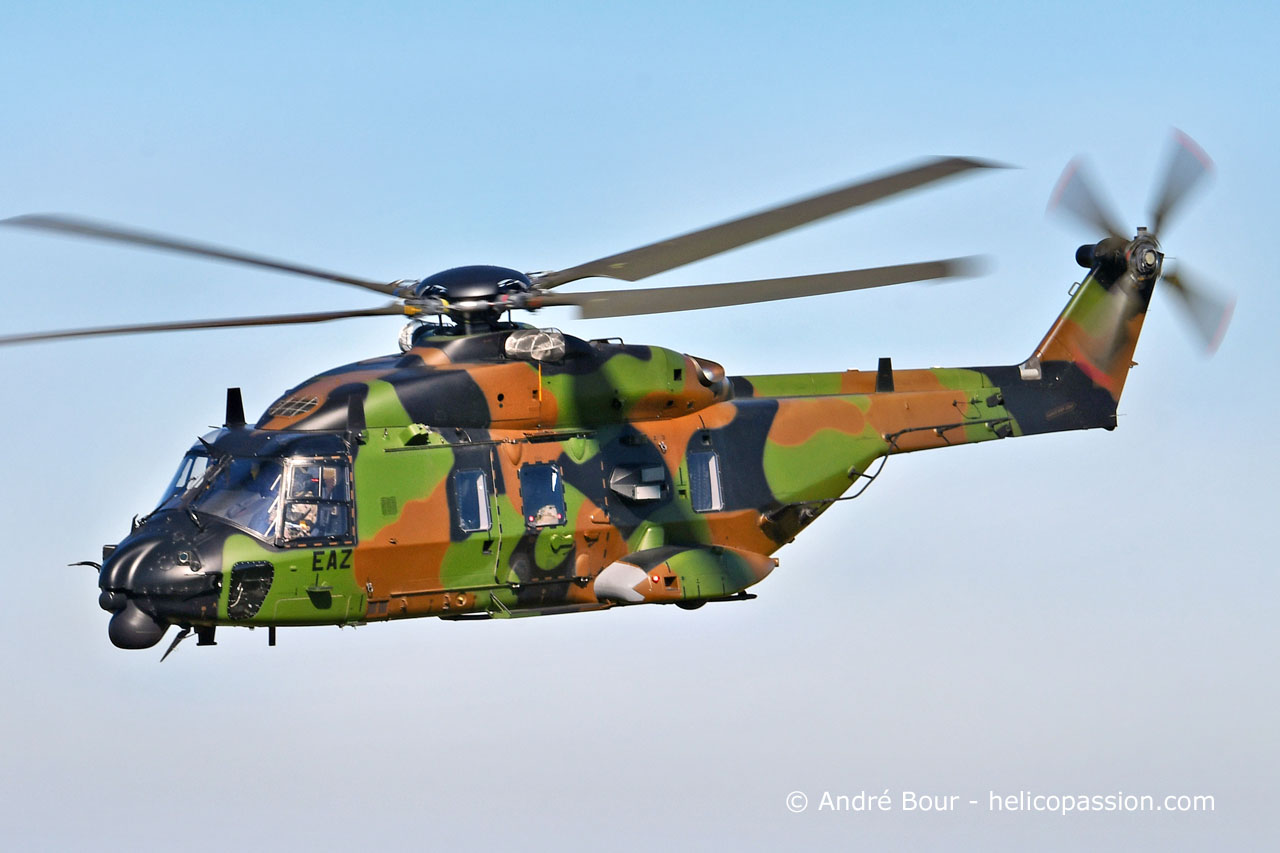 (Photo André Bour - Helicopassion)
An NH90 Caiman carrying armed drones, photographed from another NH90 during the mission
(Photo André Bour - Helicopassion)
An NH90 Caiman carrying armed drones, photographed from another NH90 during the mission
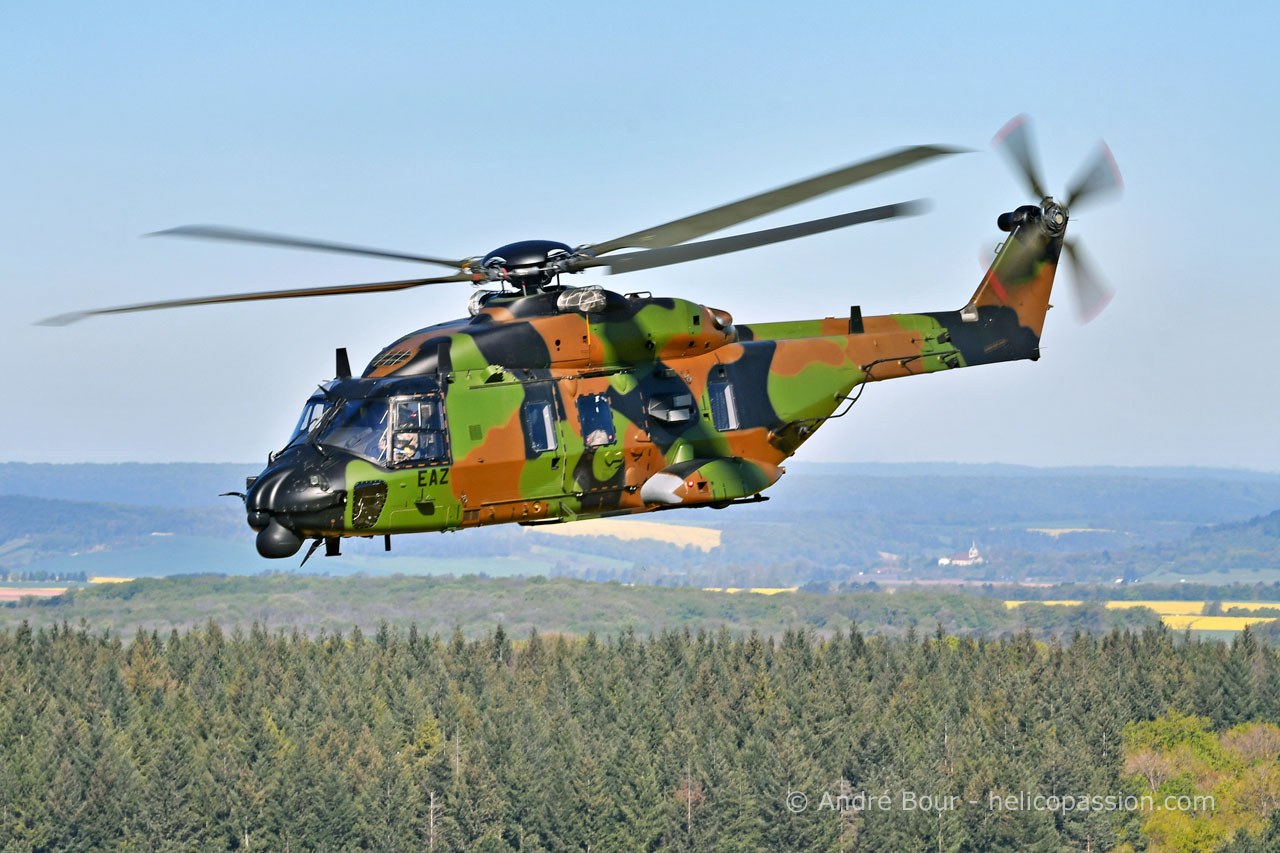 (Photo André Bour - Helicopassion)
An NH90 Caiman in flight over eastern France during the final phase of Orion 2026
(Photo André Bour - Helicopassion)
An NH90 Caiman in flight over eastern France during the final phase of Orion 2026
(Video André Bour - Helicopassion) In-flight aboard an NH90 Caiman during the final phase of Orion 2026
Crews at the heart of the transformation
Behind the helicopters, drones and new technologies, Orion remains above all a story of crews and human expertise. NH90 pilots, Tiger pilots, mechanics, crew chiefs and drone operators all contribute directly to this evolution of combat aviation.
On the ground as well as in the cockpit, crews must preserve the fundamentals of tactical flying while integrating new tools, new procedures and new actors into the maneuver.
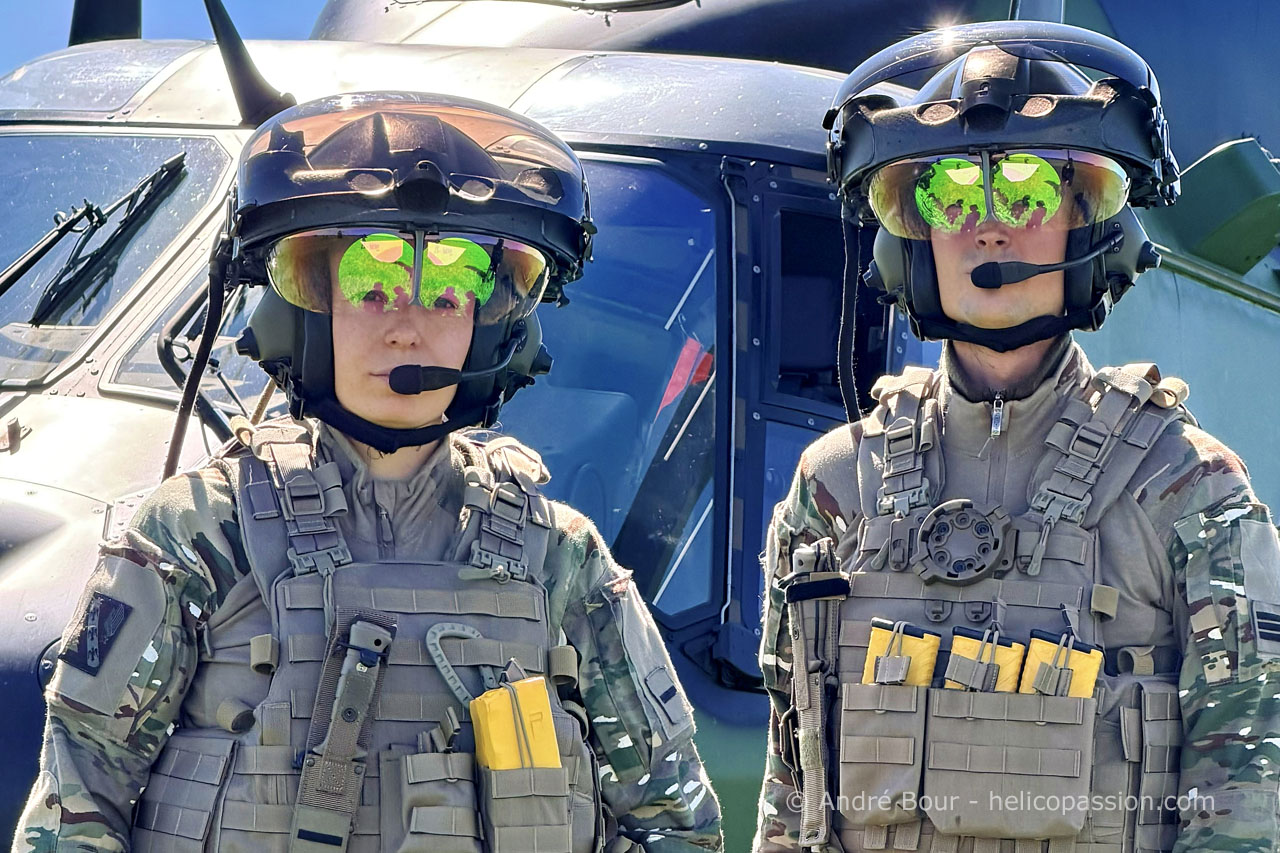 (Photo André Bour - Helicopassion)
NH90 Caiman pilots wearing TopOwl helmets at the end of a mission during Orion 2026
(Photo André Bour - Helicopassion)
NH90 Caiman pilots wearing TopOwl helmets at the end of a mission during Orion 2026
Preparing tomorrow's air combat
Orion 2026 brings together a complex operational environment involving allied forces, logistics, intelligence, helicopters and drones within a single coordinated maneuver.
This framework not only allows units to train under conditions close to real operations, but also to experiment with the integration of new capabilities, particularly in the field of drones and their employment alongside helicopters.
The growing use of drones reflects a rapid evolution in military operations, accelerated by recent conflicts. The experiments observed during Orion 2026 illustrate the gradual integration of drones into air combat and the new possibilities offered by their employment alongside helicopters.
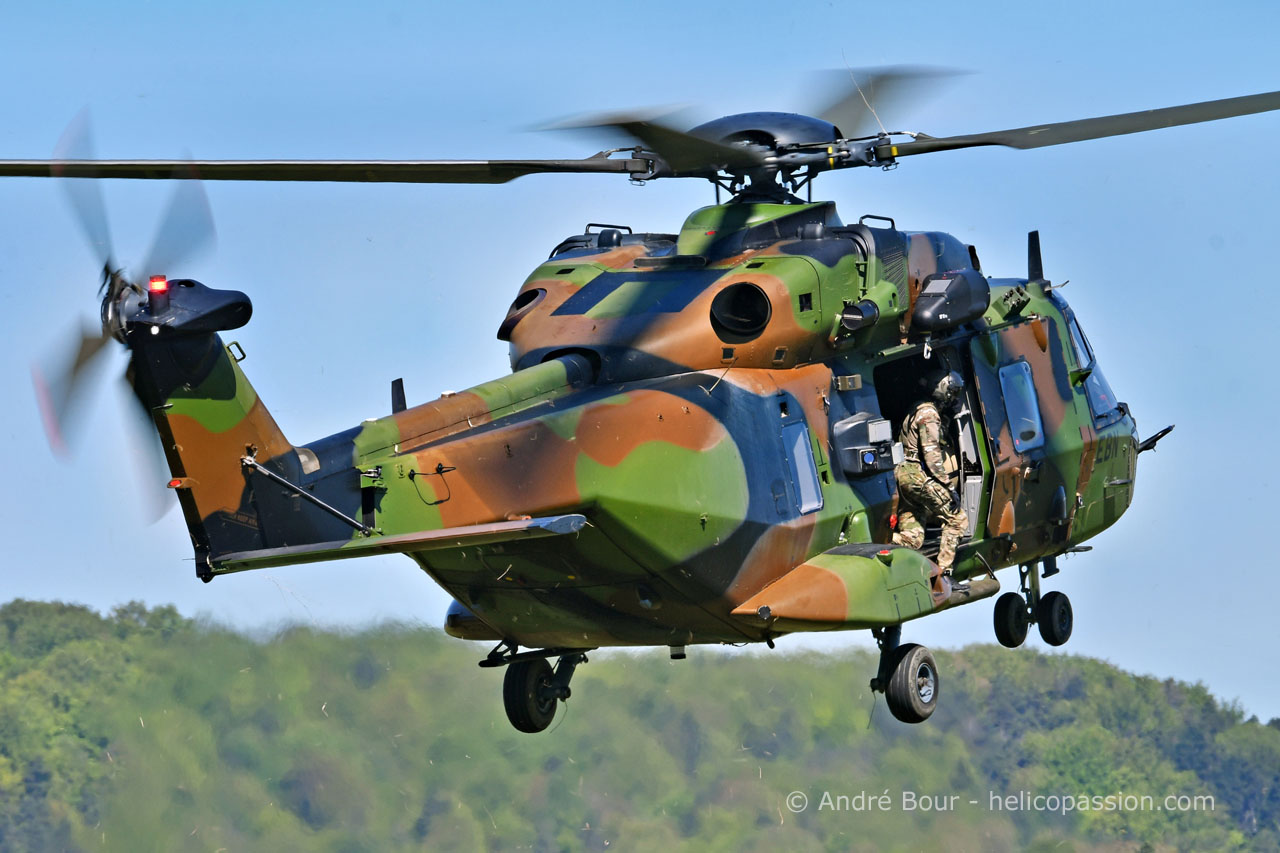 (Photo André Bour - Helicopassion)
An NH90 Caiman returning to Chaumont after a mission flown during the final phase of Orion 2026
(Photo André Bour - Helicopassion)
An NH90 Caiman returning to Chaumont after a mission flown during the final phase of Orion 2026